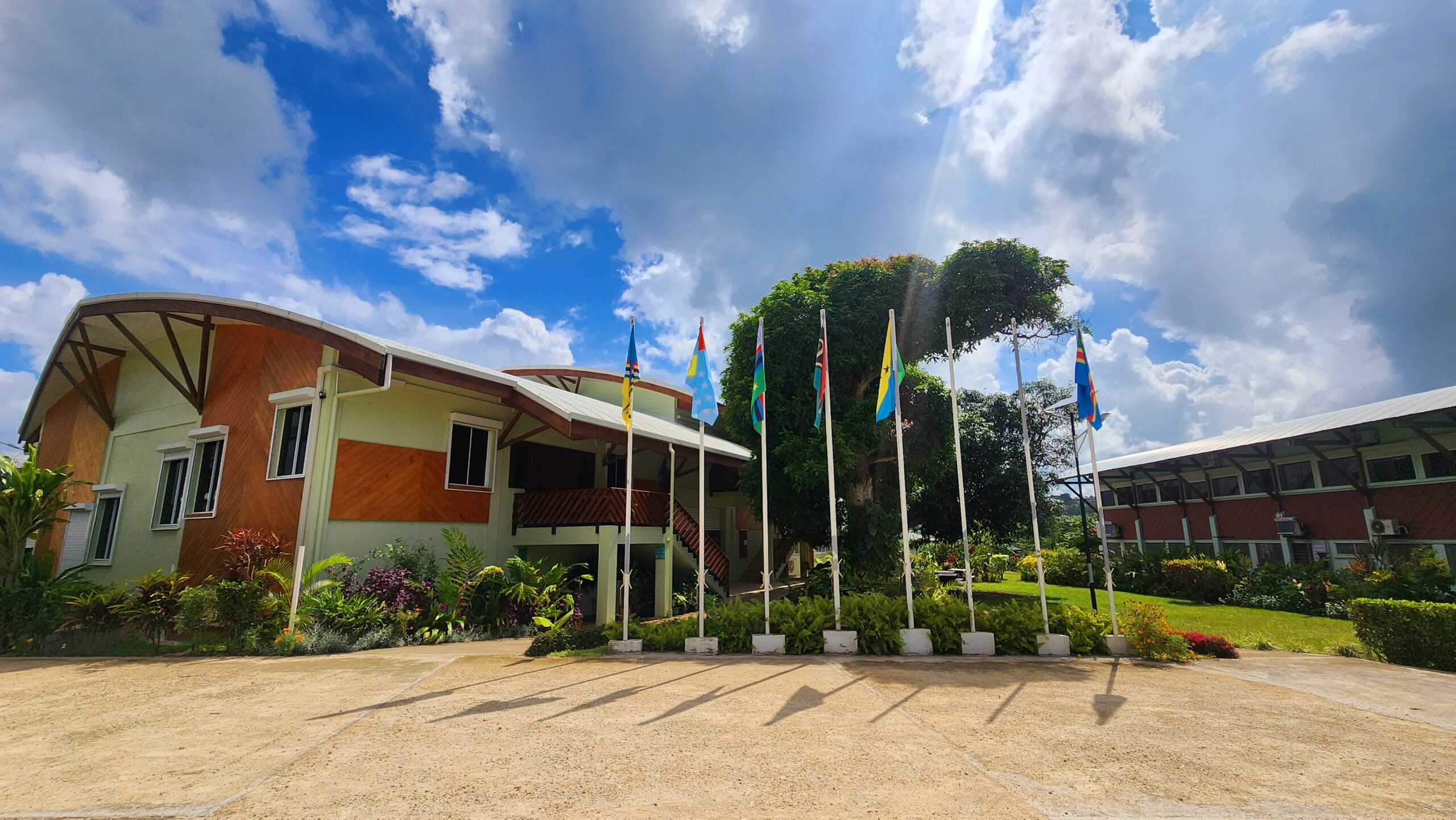
Port Vila, Vanuatu – Tuesday 23 June 2026: The Vanuatu Agriculture College (VAC), with the support of the National University of Vanuatu (NUV), recently organised a stakeholder consultation workshop at the NUV campus to advance the development of new certificate, diploma, and bachelor programmes aimed at strengthening skills development and creating greater educational opportunities for the people of Vanuatu.
The consultation brought together representatives from both the public and private sectors, including the Director General of the Ministry of Agriculture, Livestock, Forestry and Biosecurity, representatives from the Vanuatu Agriculture Development Bank, Regenerative Vanua and other key stakeholders from across the agricultural sector. Discussions focused on establishing academic pathways that will equip Ni-Vanuatu with the practical and professional skills needed to support national development, particularly in agriculture and related sectors that are vital to the country’s economy and food security.
Participants highlighted current and emerging skills needs within the agricultural sector, ensuring that the proposed programmes are closely aligned with industry expectations and national development priorities. Discussions also underscored the importance of preserving and promoting traditional agricultural knowledge by incorporating it as a mandatory component of the curriculum. Stakeholders emphasised that combining indigenous knowledge with modern agricultural practices would help strengthen resilience, sustainability and the cultural relevance of agricultural education in Vanuatu.
Another key recommendation was the need to equip students not only with technical expertise in agriculture but also with essential financial literacy and entrepreneurship skills. Participants stressed that graduates should be able to develop, manage and grow their own agricultural enterprises, enabling them to become successful producers and business owners who contribute to economic development and food security.
The initiative reflects a shared commitment by VAC and NUV to strengthening agricultural education and developing a highly skilled workforce capable of contributing to sustainable economic growth, food security, and community resilience.
The proposed programmes will provide students with multiple pathways for learning and career advancement, from entry-level certificates to diploma and degree qualifications. These opportunities will enable more Ni-Vanuatu to access higher education while remaining connected to industries that are essential to the country’s future.
Dr Ronick Shadrack, Lecturer at NUV, highlighted the significance of agriculture to Vanuatu’s development and the need to invest in the next generation of agricultural professionals.
“Agriculture remains the backbone of Vanuatu’s economy and the livelihood of many of our communities. Strengthening agricultural education through certificate, diploma, and degree programmes will ensure that we develop the skilled workforce needed to support food security, economic growth, and sustainable development for future generations,” Dr Ronick Shadrack said .
NUV’s Deputy Vice-Chancellor, Professor Pascal Michon, emphasised the importance of strengthening the relationship between the two institutions and integrating the expertise of VAC within the broader vision of the National University of Vanuatu.
“The integration of the Vanuatu Agriculture College within the National University of Vanuatu framework will create significant benefits for students, communities and the nation as a whole. It will strengthen academic pathways, promote excellence in agricultural education and ensure that specialised knowledge and practical training are fully integrated into the national higher education system. Together, we can provide more opportunities for Ni-Vanuatu and better respond to the country’s development priorities,” Professor Pascal Michon said.
The integration of VAC within NUV aligns with a shared commitment to investing in people, strengthening national capacity, and ensuring that education remains a key driver of Vanuatu’s social and economic development. NUV’s development is aligned with the Vanuatu 2030 People’s Plan and the Vanuatu Education and Training Sector Strategy. The programmes developed under NUV are also guided by the priorities identified in the National Human Resource Development Plan 2020–2030, ensuring that higher education contributes directly to the country’s long-term development aspirations.